Skip to content

SERVICES

Applied Polymers and Era Polymers have the capability to conduct cryogenic thermal and physical property testing of rigid polyurethane (PUR) and polyisocyanurate (PIR) foams as well as being able to test all properties required to calculate the Cryogenic Safety Factor or CTSR – Cryogenic Thermal Stress Resistance.

The company is certified to the ISO 9001 quality standard system, the physical testing laboratory is also NATA accredited and the many in-house product development laboratories are constantly expanding the horizons of polyurethane chemistry.

CRYOGENIC TESTING

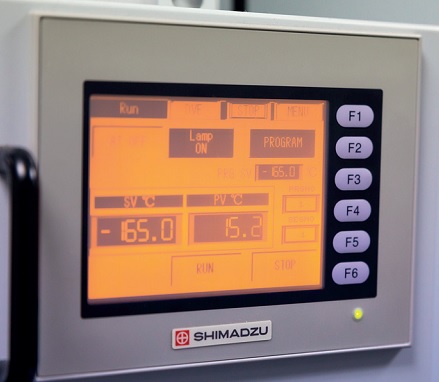
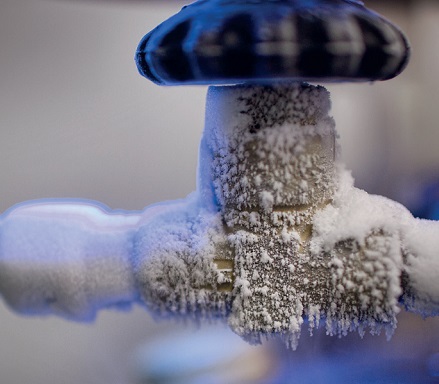
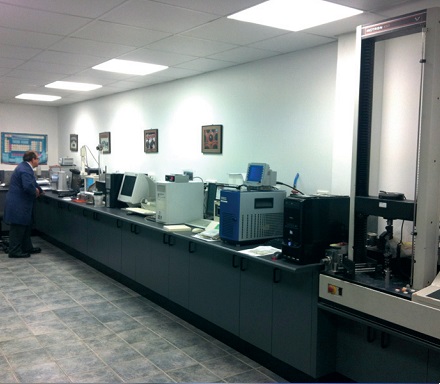
Applied Polymers has the in-house capability to test cryogenic foams. Our specialist testing equipment is not only used for in-house product development but is also used as part of the service package offered by Applied Polymers for testing and checking customer produced polyurethane foams ensuring these meet the strict specification requirements.

Applied Polymers in-house testing capability includes the following:
• Cryogenic and ambient temperature thermal conductivity testing
• Cryogenic and ambient temperature tensile strength testing
• Cryogenic and ambient temperature compressive strength testing
• Cryogenic and ambient temperature tensile modulus testing
• Cryogenic and ambient temperature coefficient of thermal expansion testing
• Flammability testing
• Closed cell content
• Core density
• Water absorption

PHYSICAL TESTING

Applied Polymers conducts a comprehensive suite of physical property tests to ensure LNG foams meet stringent performance and safety standards across a range of environmental conditions. These tests are performed internally in our advanced laboratory or externally through accredited testing facilities.


Physical testing is critical for verifying the mechanical integrity, thermal performance, and chemical stability of insulation materials used in cryogenic applications. Our testing protocols align with internationally recognized standards to ensure reliability and compliance.

  • Mechanical Properties: We assess compressive, shear, and tensile strength at both ambient and cryogenic temperatures to simulate real-world conditions.
  • Thermal Performance: Thermal conductivity and expansion tests help determine insulation efficiency and dimensional stability under extreme temperature fluctuations.
  • Flammability and Safety: Horizontal burn tests evaluate flame spread, extinguishing time, and burning rate to ensure fire safety compliance.
  • Moisture Resistance: Water absorption and vapour transmission tests confirm the foam’s ability to resist moisture ingress, which is vital for long-term insulation performance.
  • Chemical Stability: Leachable chloride testing ensures minimal corrosive potential, protecting adjacent metal structures.
Physical PropertyReference Standard
Core DensityASTM D1622
Closed Cell ContentASTM D6226
Water AbsorptionASTM D2842
Water Vapour TransmissionASTM E96
Horizontal Burn – Extent of BurnISO 3582 (BS 4735)
Horizontal Burn – Extinguishing TimeISO 3582 (BS 4735)
Horizontal Burn – Burning RateISO 3582 (BS 4735)
Leachable ChlorideASTM C871
Compressive Strength @ 23°CASTM D1621
Compressive Strength @ -165°CASTM D1621
Shear Strength @ 23°CASTM C273
Shear Strength @ -165°CASTM C273
Tensile Strength @ 23°CASTM D1623
Tensile Strength @ -165°CASTM D1623
Tensile Modulus @ -165°CASTM D1623
Thermal Conductivity @ 20°CASTM C-177 / ASTM C-158
Thermal Conductivity @ -165°CASTM C-177 / ASTM C-158
Coefficient of Linear Thermal ExpansionASTM D696
Cryogenic Thermal Stress ResistanceCINI 2.7.01 and 2.7.02

For more information or to request specific test data, please contact our technical team.